
08 January 2026
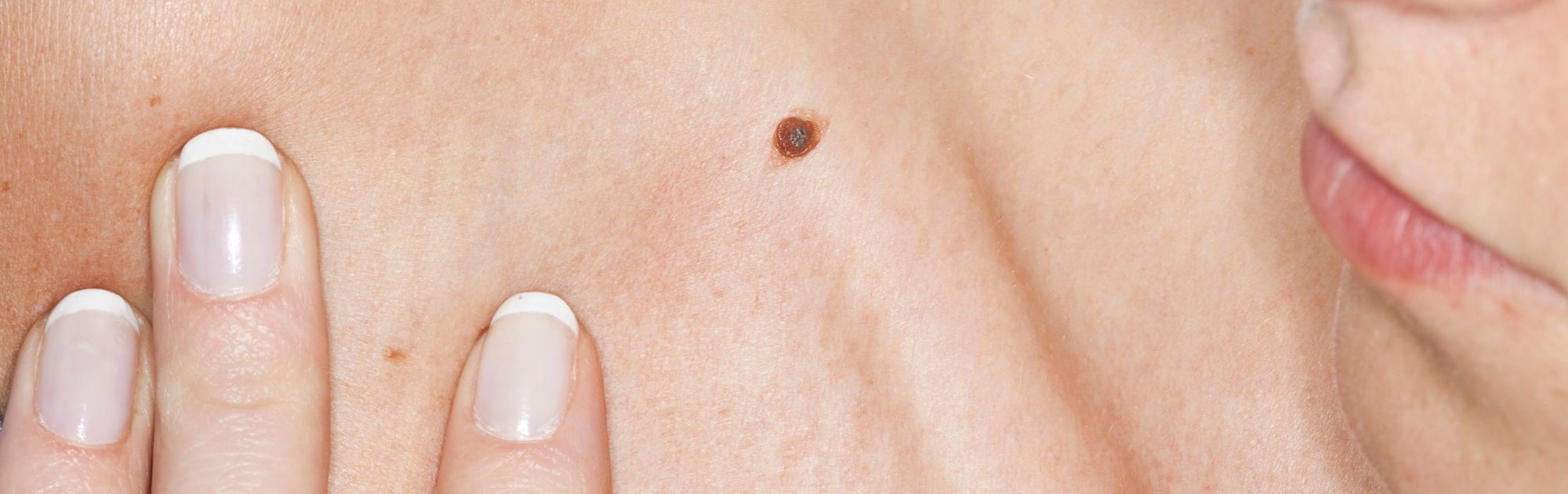
Melanoma is the most serious kind of skin cancer though it doesn’t always start from a mole you already have. Knowing what increases your risk, what to look for, and what happens after diagnosis can help you act fast and with confidence.
What Is Melanoma?
Melanoma develops in melanocytes, the skin cells that produce pigment. While many moles are harmless, melanoma can arise in new lesions or existing moles. What makes melanoma dangerous is its ability to spread (metastasize) if not caught early.
Key Risk Factors
Recognising Early Melanoma
Use the ABCDE mnemonic:
It’s worth remembering that many melanomas are new moles, not ones you’ve had a long time.
Doctors or Nurse Dermoscopists will usually do:
The earlier melanoma is found, the better the outcome. Survival rates are high for melanomas if treated early. After treatment, regular follow-ups are essential; monitoring for recurrence, checking for new skin cancers. Also, lifestyle measures (sun protection etc.) are part of long-term risk reduction.