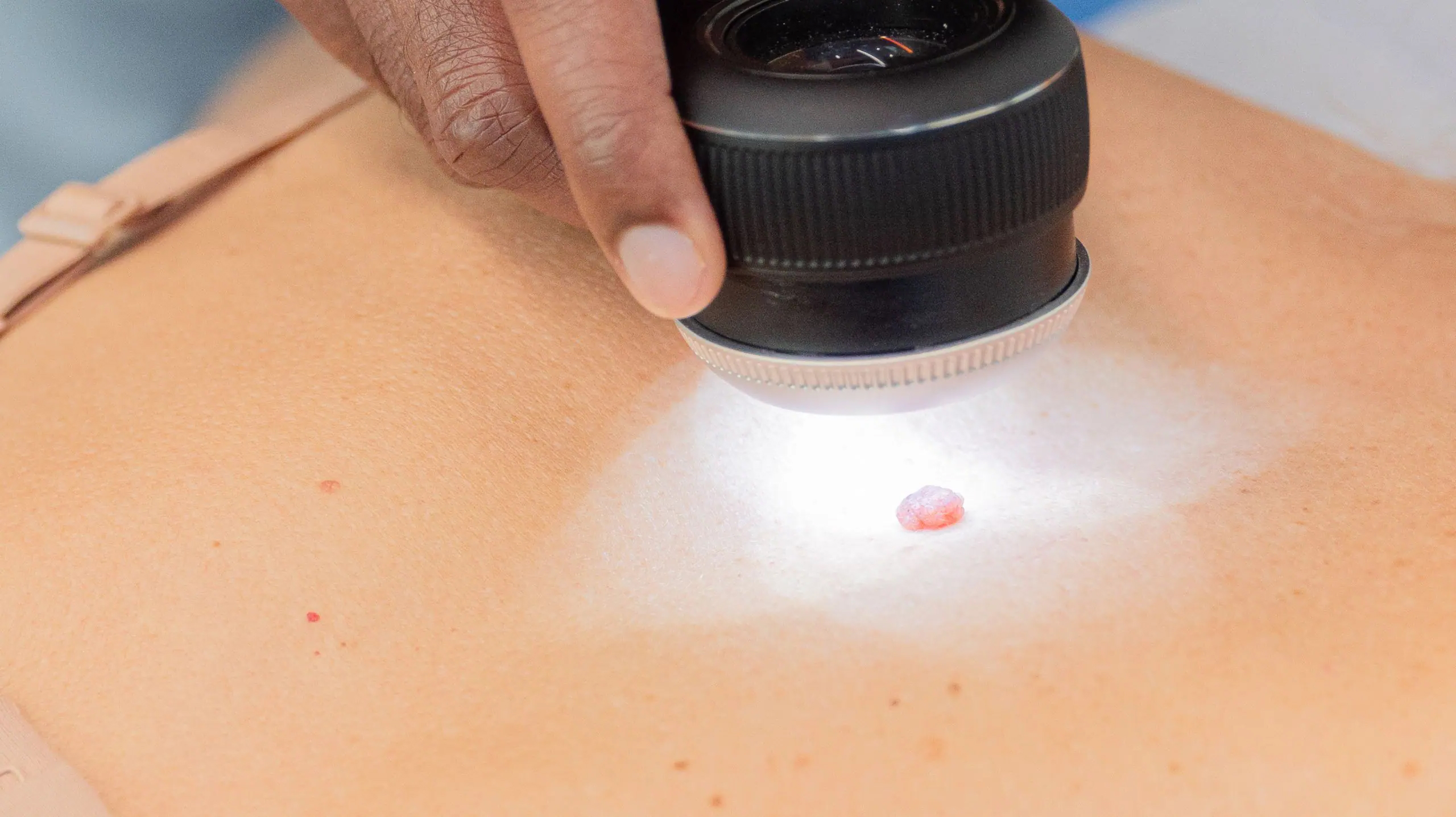
Skin Cancer Prevention, Management & Care

New Zealand’s trusted experts in skin checks, melanoma detection and treatment

For more than 30 years, Skin Institute has been dedicated to one purpose: helping New Zealanders protect their skin through early detection, expert treatment and lifelong care.

From professional skin and mole checks to melanoma diagnosis and treatment, we provide a complete, end-to-end service under one roof.

Our team is diagnostically trained to identify all types of skin cancer every day, giving you the confidence that you’re in experienced hands with people who truly understand what you need.
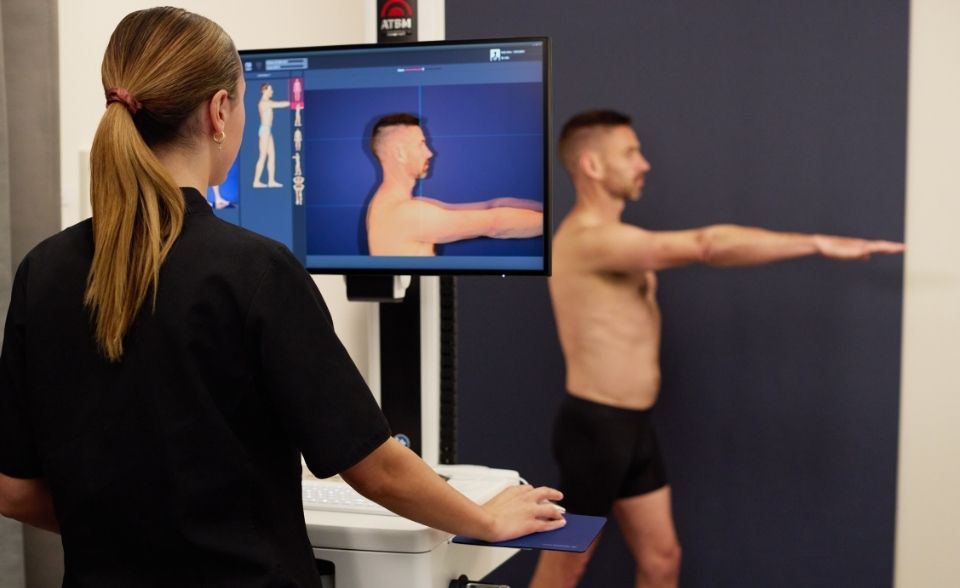
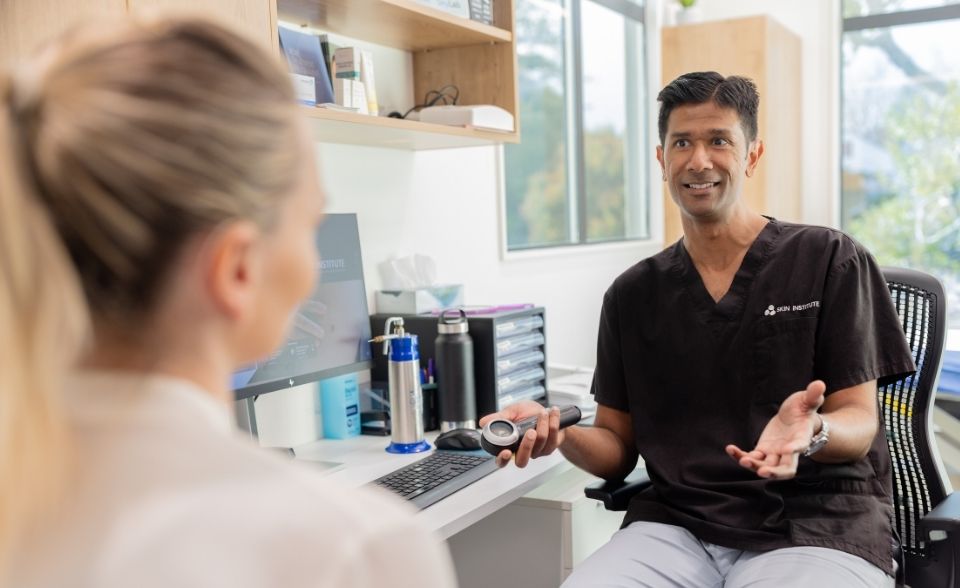
  • SkinTracker™
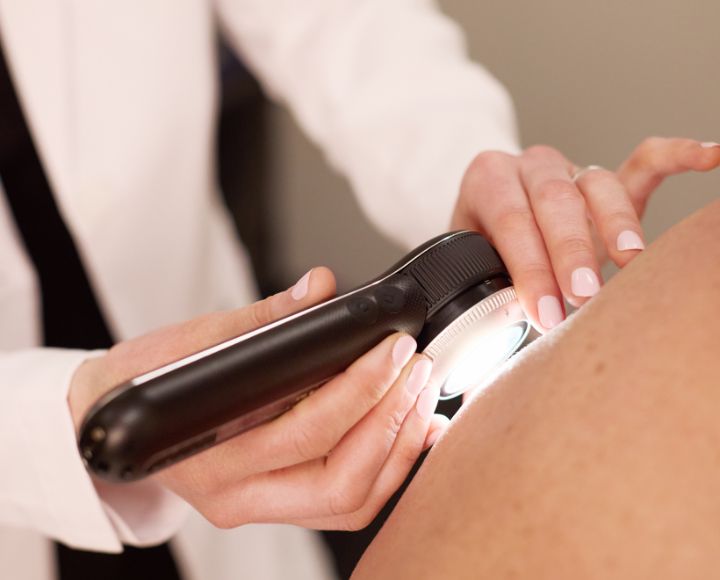
    SkinTracker™: Advanced AI Imaging & Skin Checks in NZ
    Tracking the smallest of changes in your skin could be life changing.

    Available exclusively at Skin Institute.
  • Skin Cancer Consultations
    Skin Cancer Consultations & Checks
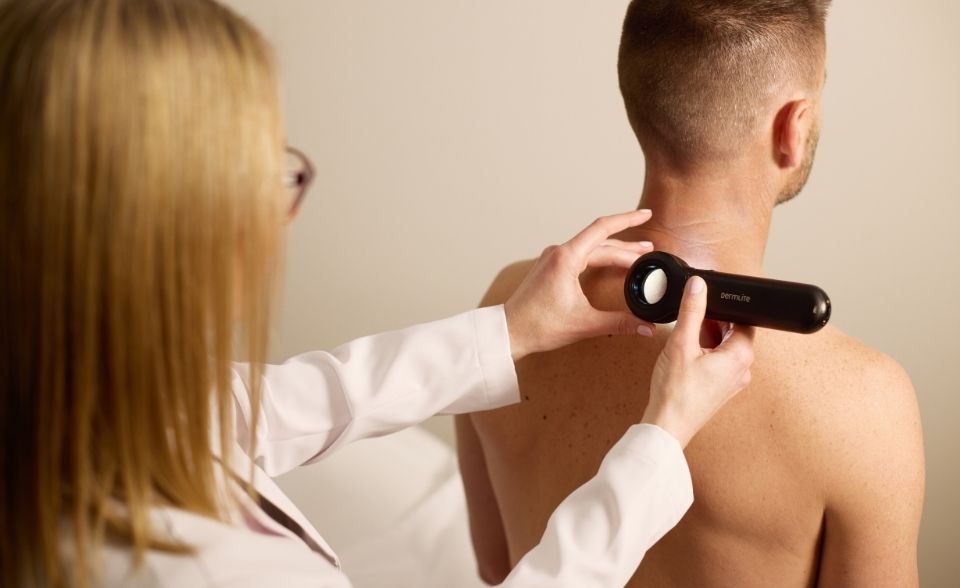
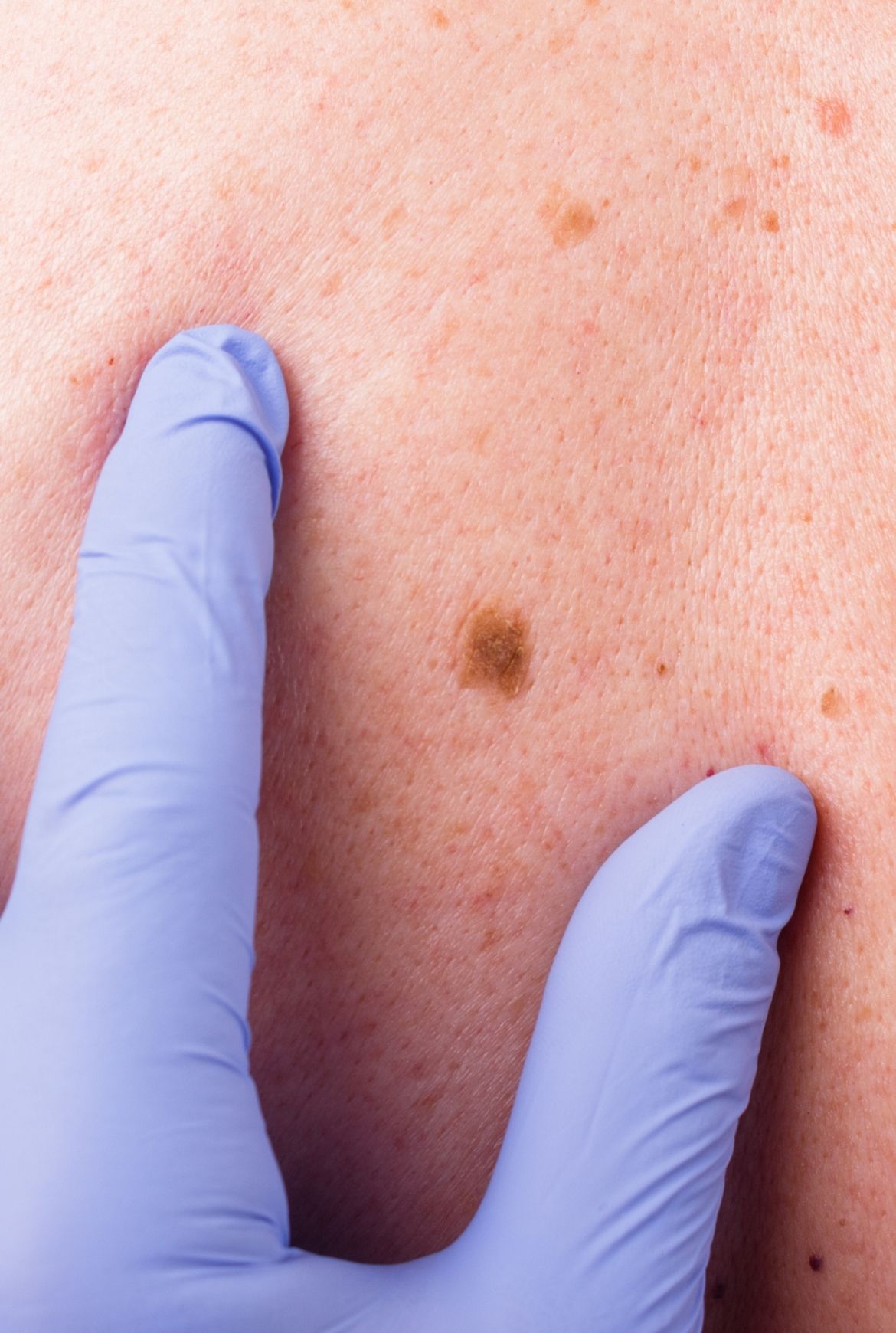
    A Skin Cancer Consultation at Skin Institute is the most comprehensive way to assess your skin for potential cancers, suspicious lesions or changing moles.
  • Skin Cancer Spot Checks
    Spot Checks
    A Skin Cancer Spot Check is a focused appointment designed to examine a single mole or lesion that is causing you concern.

    If you’ve noticed a spot that feels unusual or worrying, this is the quickest way to get specialist advice and peace of mind.
  • Cryotherapy
    Cryotherapy
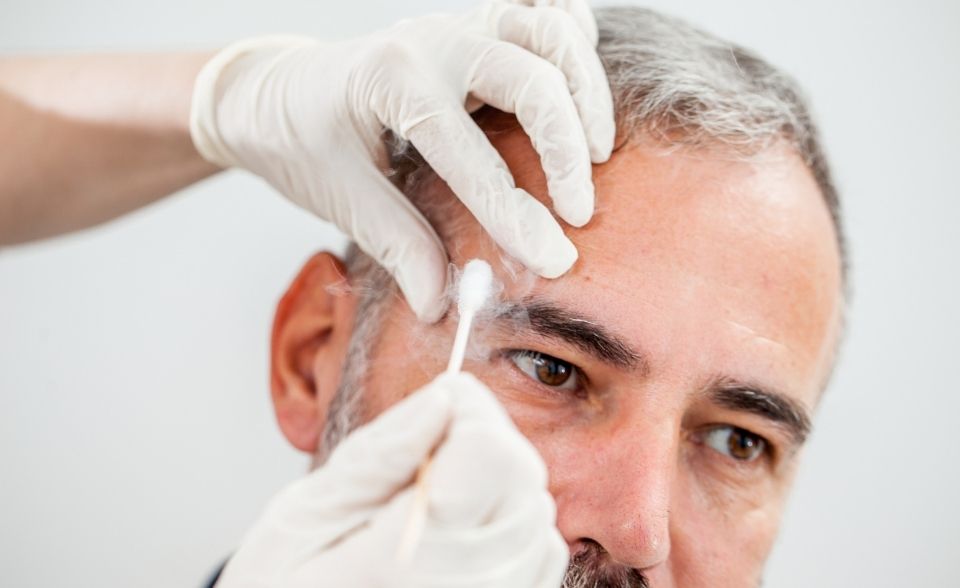
    Cryotherapy is a fast, effective treatment for precancerous lesions and some superficial skin cancers.

    Using liquid nitrogen, cryotherapy freezes targeted cells, allowing healthy skin to regenerate in their place.
  • Skin Excisions
    Excisions
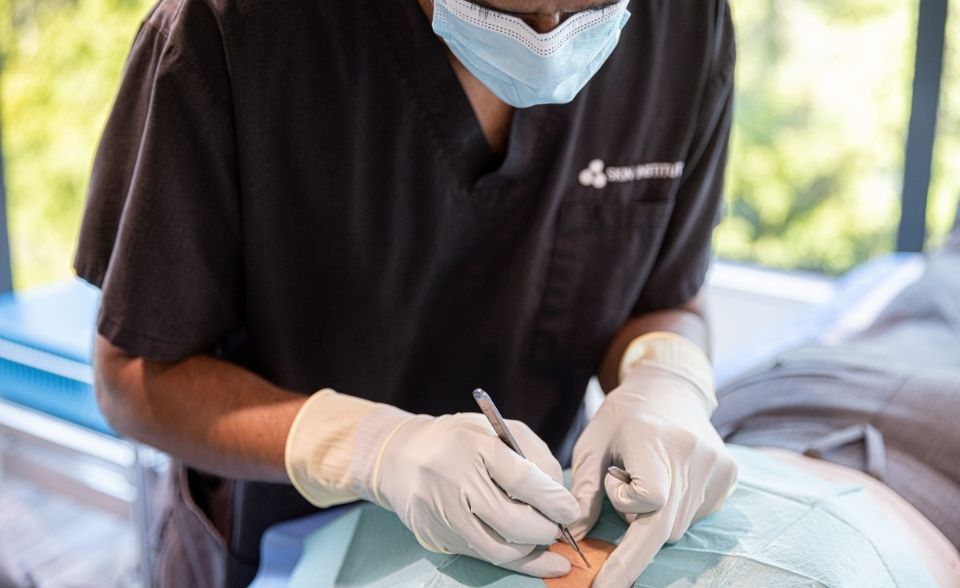
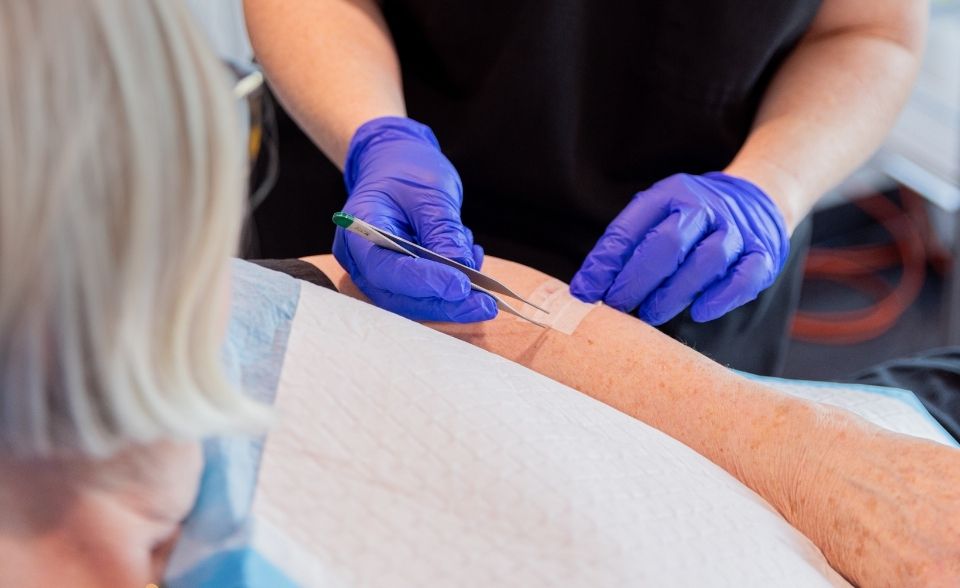
    Skin excisions are minor surgical procedures used to remove skin cancers, suspicious lesions or moles.
  • Skin Biopsy
    Skin Biopsy
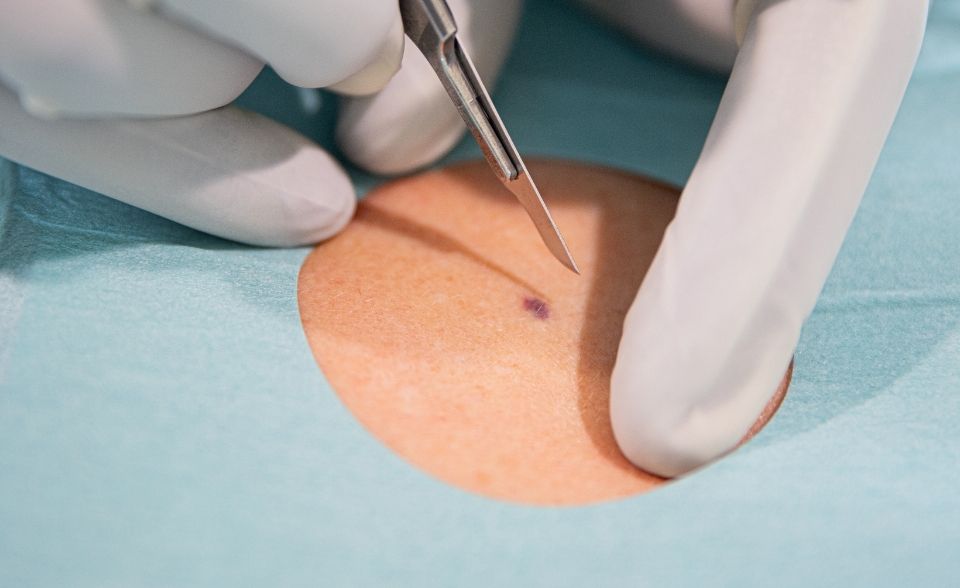
    A Skin Biopsy is a quick procedure used to diagnose skin cancers, rashes, unexplained lesions, and other skin conditions.

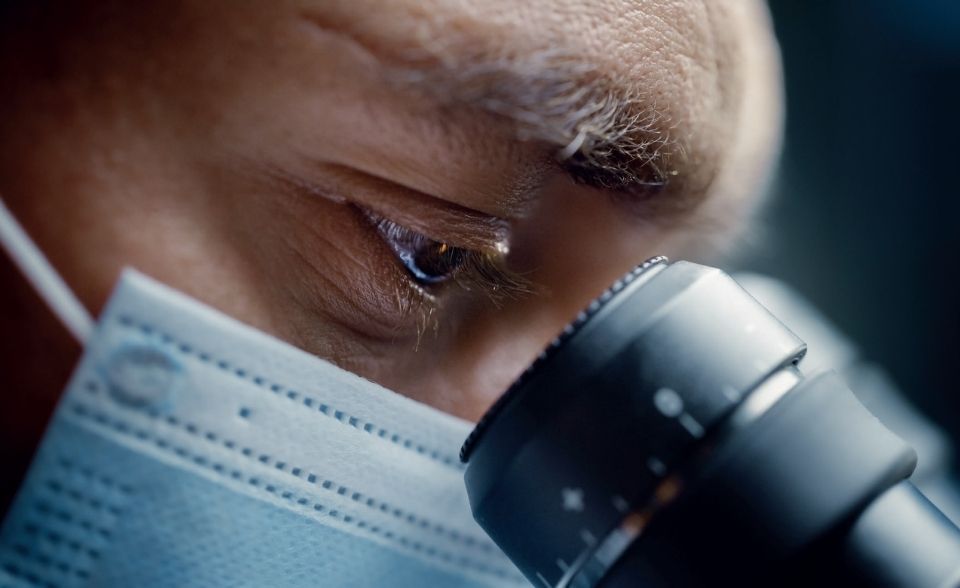
    Biopsies are performed by experts with access to on-site pathology, ensuring fast and accurate results.
  • Surgical Removal
    Surgical Removal
    Surgical removal is one of the most reliable ways to treat many types of skin cancers.

    Our skin cancer surgeons perform thousands of procedures annually, offering safe, effective cancer removal with excellent cosmetic outcomes.
  • Photodynamic Therapy (PDT)
    Photodynamic Therapy (PDT)
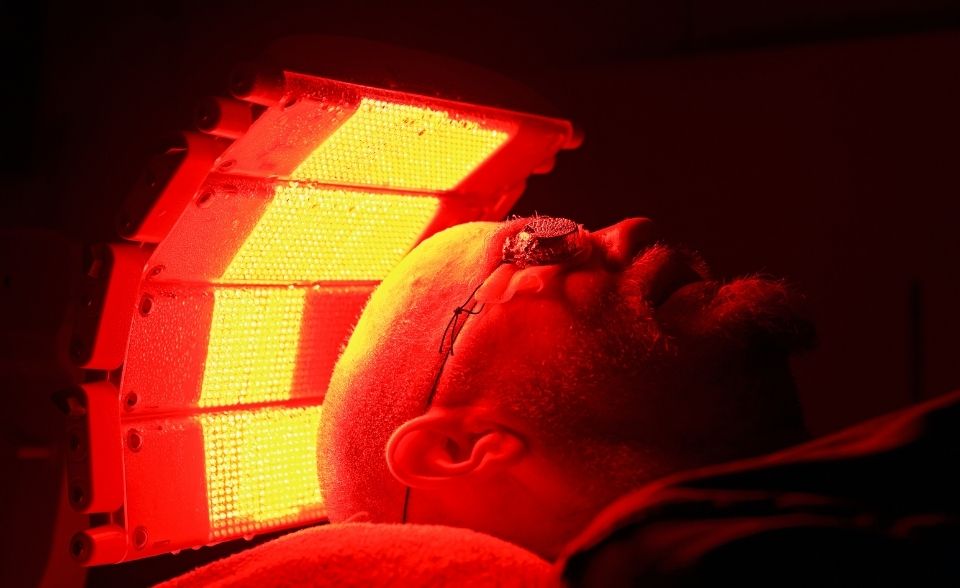
    Photodynamic Therapy (PDT) is a highly effective, minimally invasive treatment for precancerous lesions and some superficial skin cancers. It uses a light-activated cream to selectively destroy abnormal cells with minimal impact on surrounding skin.
  • Mohs Micrographic / PDEMA (formerly CCPDMA) Surgery
    Mohs Micrographic / PDEMA (formerly CCPDMA) Surgery
    Mohs Micrographic Surgery and PDEMA (Peripheral Deep En Face Margin Assessment) are two of the most precise techniques available for removing complex or high-risk skin cancers.

    These advanced procedures provide the highest cure rates, especially for cancers located on the face or areas where preserving healthy tissue is crucial.
  • SkyLab
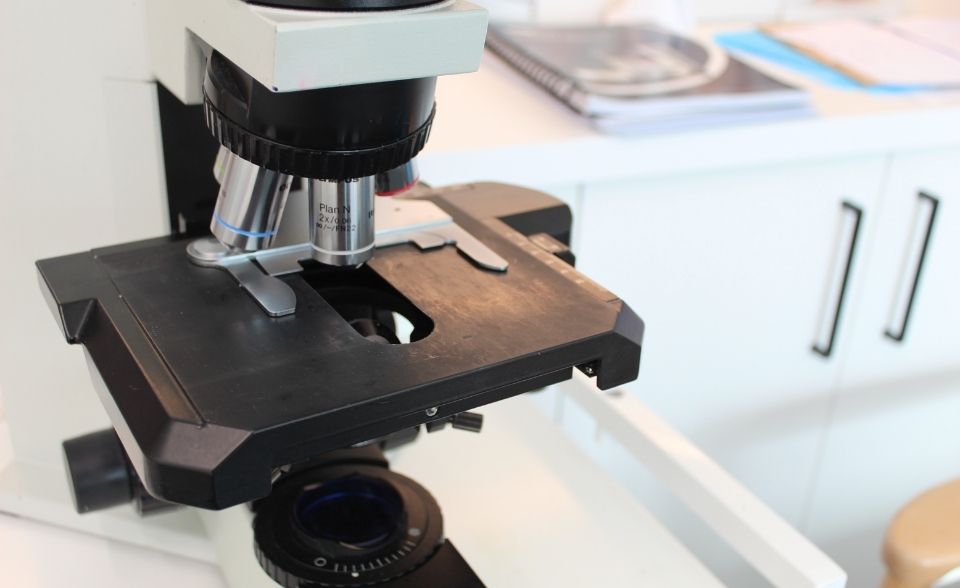
    SkyLab Pathology Service
    Faster results, less waiting, more certainty.
    When it comes to diagnosing skin cancer or other skin conditions, time matters.
  • Corporate Wellbeing Programme
    Corporate Wellbeing Programme
    Why not help to protect your company's greatest asset by gifting your team a full body skin check?

    Strengthen Your Workplace Wellbeing.

Finding skin cancer early saves lives

New Zealand has one of the highest rates of skin cancer in the world.

The reassuring news is that when it’s found early, it is highly treatable.

Regular, professional skin checks play a vital role in catching changes sooner and supporting your long-term skin health.

At Skin Institute, we make accessing expert skin cancer care clear, simple and reassuring, so you always feel supported and confident in your next steps.
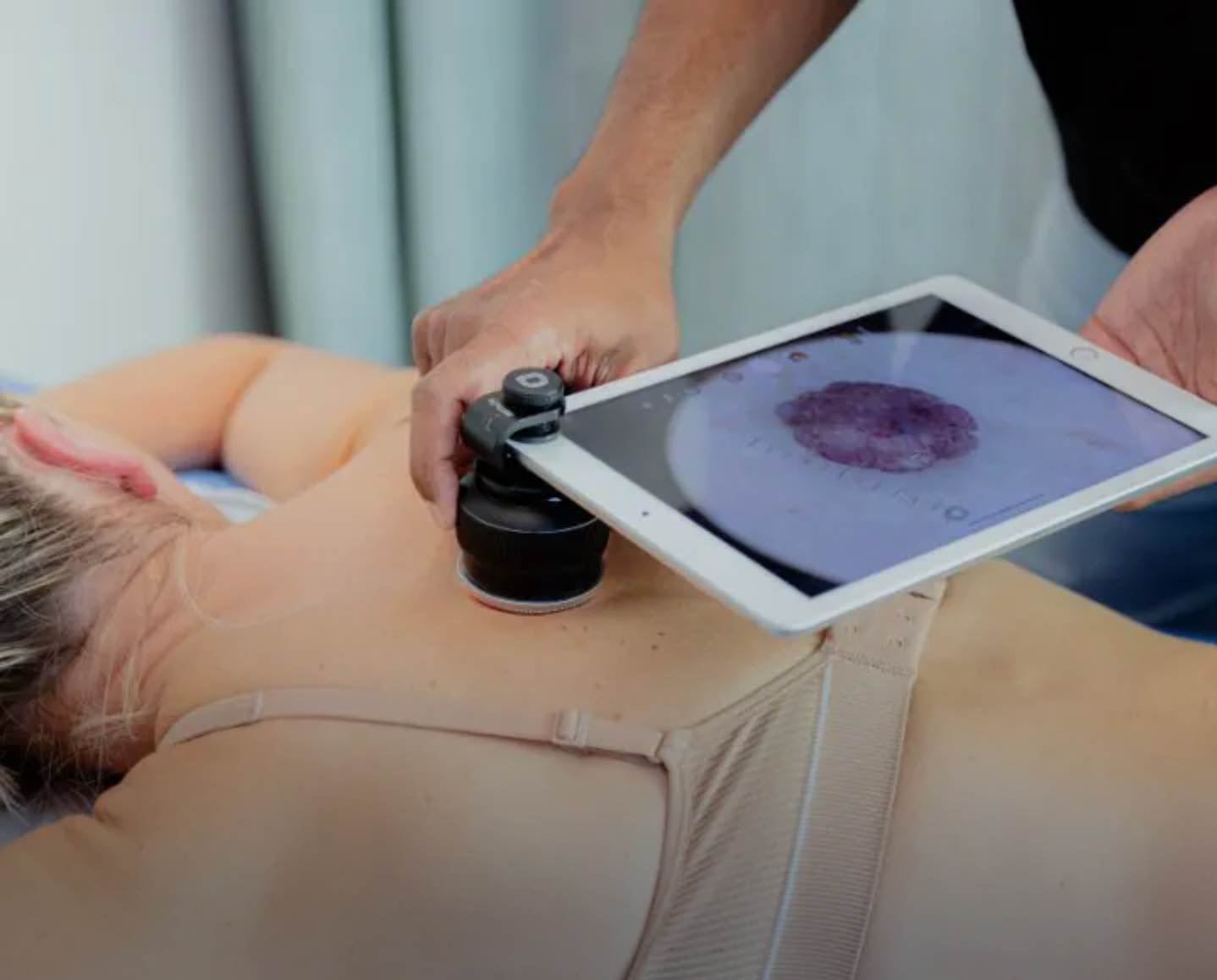
Two out of three Kiwis will develop skin cancer in their lifetime.

Finding it early truly can save your life.
Expert care you can rely on

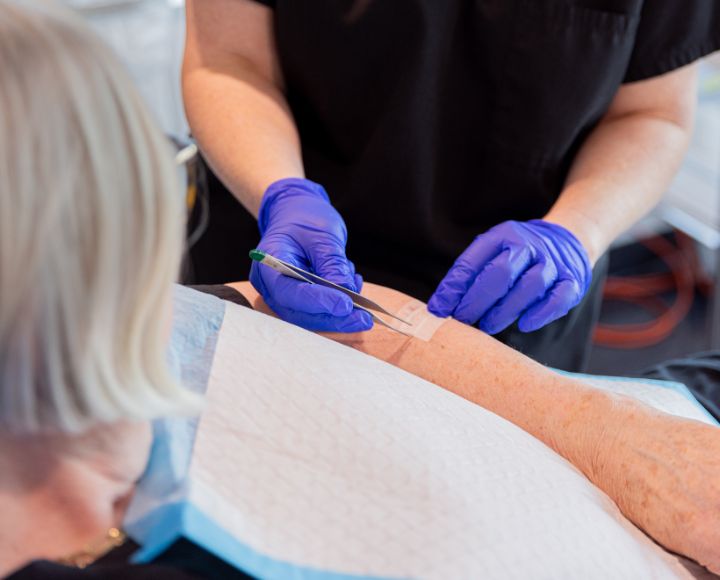
Our clinicians have advanced training in skin cancer detection and treatment, with many bringing specialist backgrounds in dermatology and plastic surgery.

They offer an end-to-end service from check to diagnosis and treatment, working closely together as a team, so your care benefits from shared expertise, without the need to move between clinics.

At Skin Institute, your medical care is delivered with genuine respect, compassion and a focus on your long-term wellbeing.

You’re never treated as just another appointment; you’re treated as a person who deserves thoughtful, attentive care.

Frequently Asked Questions

Q: What happens if skin cancer is found during my check?

A: Because we offer comprehensive care under one roof, we can guide you through the next steps immediately. Depending on the diagnosis, this may involve a simple biopsy, cryotherapy, or a referral to our specialist surgeons for removal. We manage the entire process for you.

Q: Do I need a referral to book a skin cancer consultation?

A: No, you do not need a referral from a GP to visit Skin Institute. You can book directly with our skin cancer experts or Dermatologists for an assessment.

Q: What is the difference between a Skin Check and a Consultation?

A: A Skin Check (or SkinTracker™) is a screening tool to look for spots. A Consultation is usually required if you have a specific mole of concern, a previous history of skin cancer, or need a treatment plan for a diagnosed issue.

Q: Is skin cancer treatment covered by insurance?

A: In most cases, yes. Skin cancer surgery and treatment are typically covered by comprehensive health insurance policies (like Southern Cross). We can often help process prior approval for you.

Q: What types of skin cancer do you treat?

A: We treat all forms of skin cancer, including Basal Cell Carcinoma (BCC), Squamous Cell Carcinoma (SCC), and Melanoma. Our team includes Mohs Surgeons who specialize in precise removal of cancers in delicate areas (like the face).
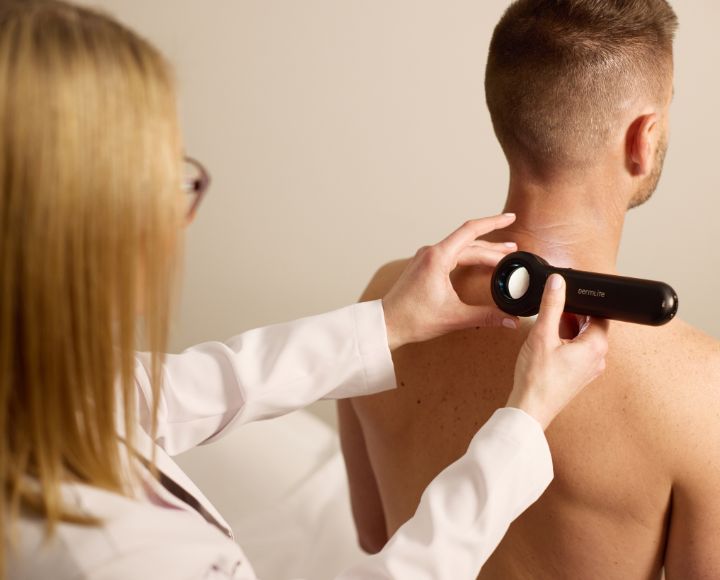

Book your appointment with our expert team. No referrals necessary.

Take the Melanoma Risk Assessment Questionnaire to check your risk