
08 January 2026
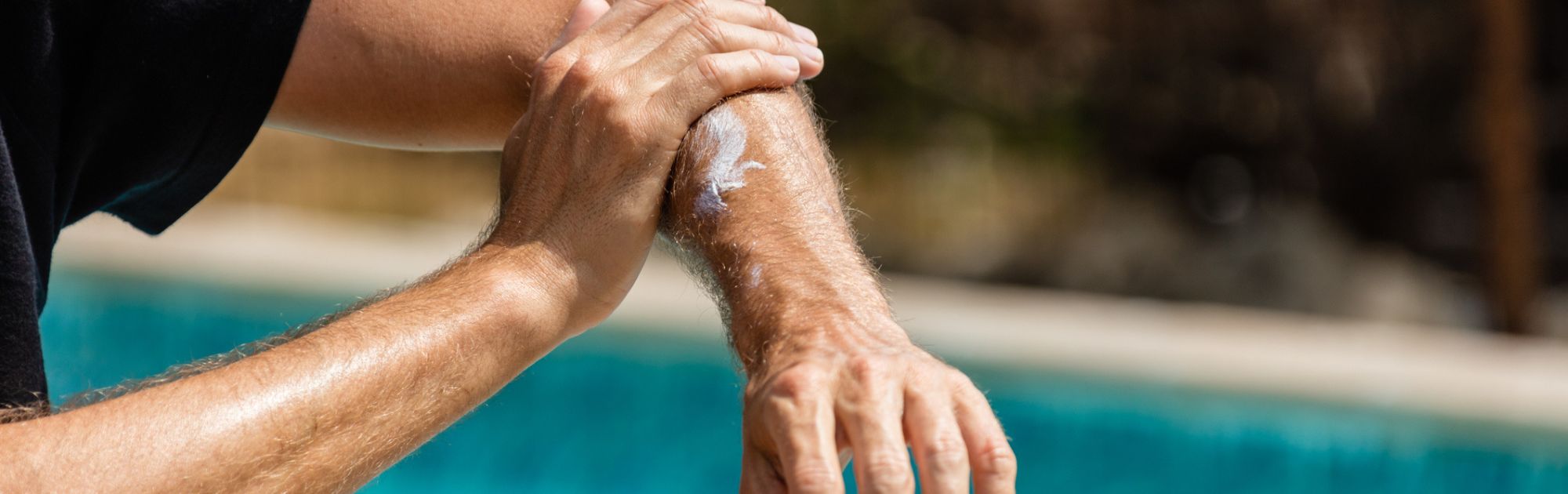
Choosing the right sunscreen is essential especially in NZ, where several non-compliant products have been recalled in recent years. Not all sunscreens offer the protection they claim, which makes choosing a reliable, tested product even more important.
Broad-spectrum protection (UVA + UVB): UVA rays contribute to premature ageing, while UVB rays cause sunburn. Broad-spectrum ensures protection from both.
SPF 50+ for NZ conditions: New Zealand’s high UV levels mean stronger protection is recommended.
Dermatologically tested and TGA or NZ-compliant: Ensures the product has been independently verified.
Water resistance: Important if swimming, sweating, or exercising.
Suitable texture for your skin type: Gel, lotion, mineral, or chemical options are available—choose what feels comfortable to encourage consistent use.
Sunscreens generally fall into two categories: mineral (physical) and chemical (organic).
Mineral Sunscreens: Contain active ingredients like zinc oxide or titanium dioxide, which sit on the skin’s surface and physically block or reflect UV rays. They start protecting immediately upon application and are often gentler on sensitive or reactive skin. Mineral options are less likely to cause stinging in the eyes and are generally reef-friendly. However, they can leave a slight white cast.
Chemical Sunscreens: Contain ingredients that absorb UV rays and convert them into harmless heat. They tend to have a lighter, invisible finish, making them ideal for everyday wear or under makeup. Some chemical sunscreens may irritate sensitive skin or eyes and require 20 minutes after application before they become fully effective.
Combination Formulations: Many modern sunscreens blend mineral and chemical filters to balance broad-spectrum coverage, skin feel, and cosmetic elegance.
Choosing the right type often depends on your skin type, lifestyle, and personal preference, but both can be effective if applied correctly and reapplied as needed.
Recent recalls highlighted that some sunscreens failed to meet their labeled SPF claims when independently tested. Choosing reputable brands with transparent testing helps ensure your skin receives the protection the label promises.
Additional Tips
Check expiry dates and avoid storing sunscreen in hot cars, as heat can reduce effectiveness.
For everyday use, lighter “daily” sunscreens may be sufficient, but for prolonged outdoor exposure, choose water-resistant, high-SPF options.
Pairing the right sunscreen with good habits; seeking shade, wearing protective clothing, and reapplying, provides the strongest UV defence.