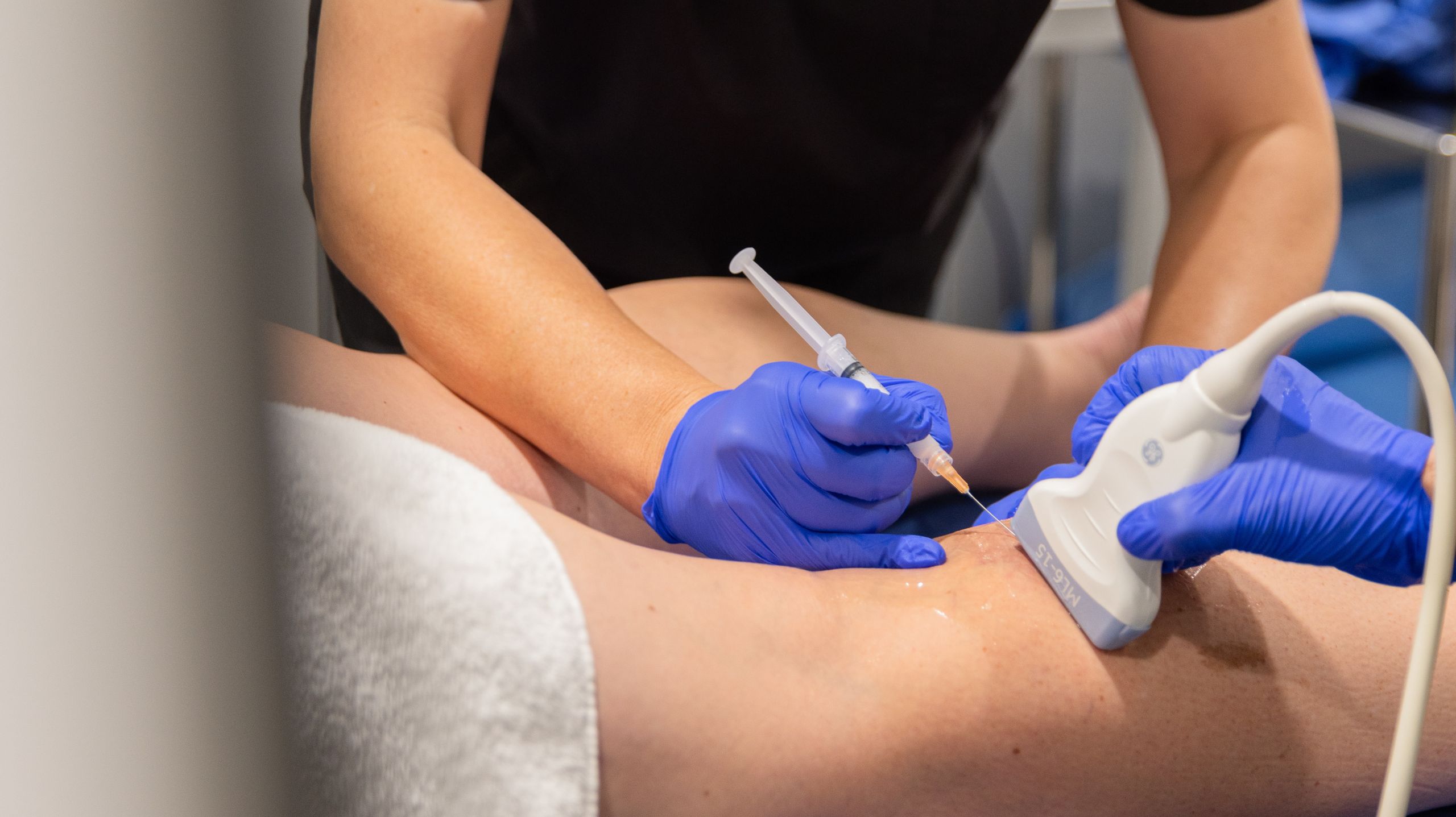
Varicose veins can affect anyone, but certain lifestyle and hereditary factors can make them more likely.
Understanding your risk gives you the power to care for your vein health early, reduce discomfort and prevent symptoms from getting worse.
If one parent has varicose veins, your risk doubles, and if both parents do, it increases even more.
Knowing your risk doesn’t have to be worrying; it’s an opportunity to take proactive steps and feel confident in supporting your long-term leg health.
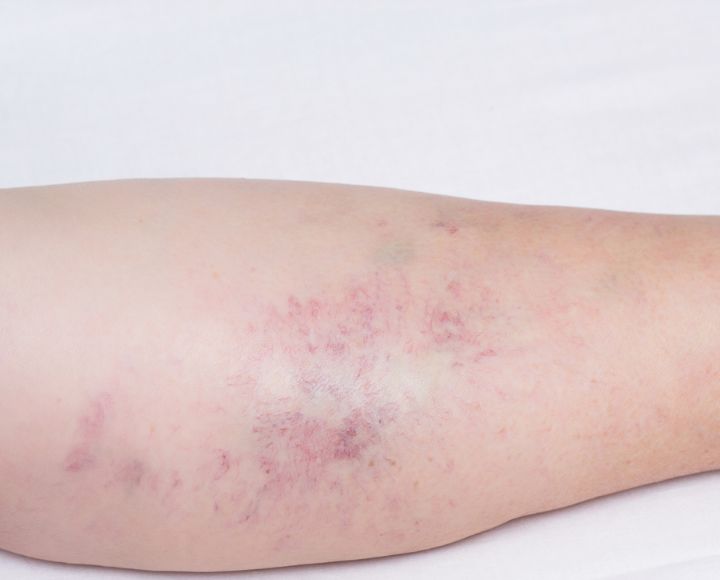
Recognising the Symptoms: It’s not just about appearance.
You may be likely to develop Varicose Veins if you:
Even if your veins are only slightly visible or occasionally uncomfortable, getting an early assessment can help prevent future issues like swelling, skin changes or ulcers.
At Skin Institute, we make vein care simple, safe and effective, so you can feel comfortable, confident and back to your best self again.
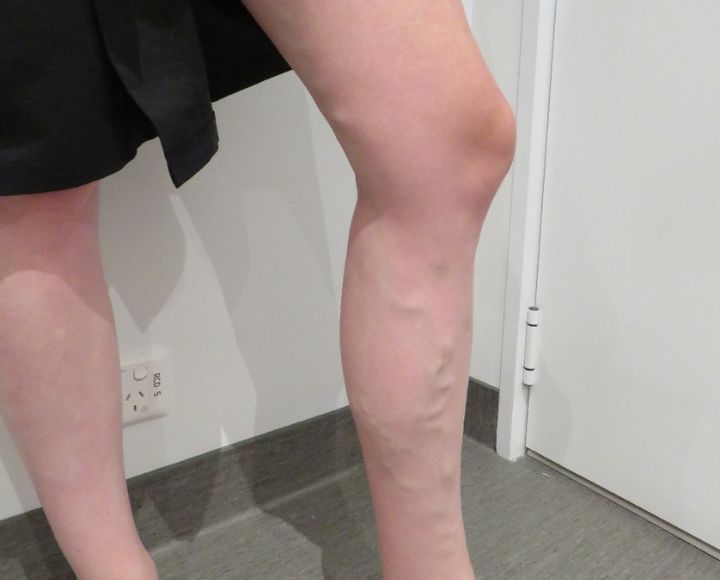
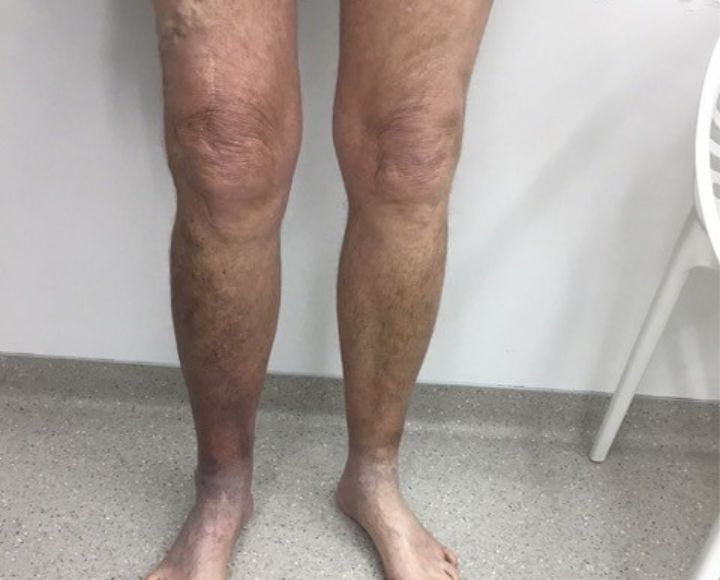
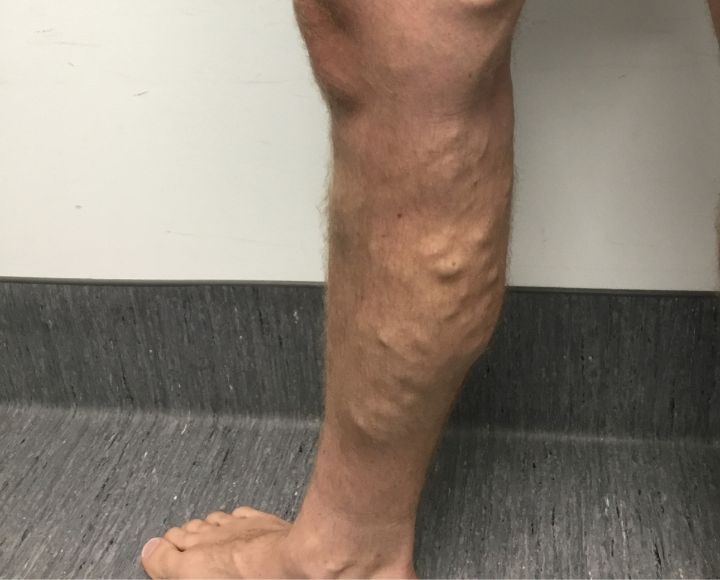
Q: What are the common symptoms of varicose veins?
A: Beyond the visible bulging veins, common symptoms include aching or heavy legs (especially after standing), swollen ankles/feet, throbbing or burning sensations, muscle cramping at night and dry or itchy skin over the vein.
Q: Can varicose veins be prevented?
A: If you have genetic factors, you cannot prevent them entirely. However, you can delay their progression by maintaining a healthy weight, exercising regularly (walking/swimming), elevating your legs when resting and avoiding prolonged standing or sitting.
Q: Does crossing my legs cause varicose veins?
A: This is a common myth. Crossing your legs does not cause varicose veins, though it may slightly exacerbate existing circulation issues. The primary causes are genetics, age and pregnancy.
Q: I am pregnant; will my veins go away after birth?
A: Pregnancy increases blood volume and pressure, leading to veins. While some may improve or fade within 3 to 12 months after delivery, many will remain and require treatment. We recommend an assessment if they persist post-pregnancy.
Q: Are varicose veins dangerous?
A: If left untreated, they can lead to more serious complications such as venous eczema, skin discoloration, leg ulcers (slow-healing wounds) or Phlebitis (blood clots). Early assessment prevents these stages.

